日本內部腐朽面對中國崛起慌了 美網友炸鍋
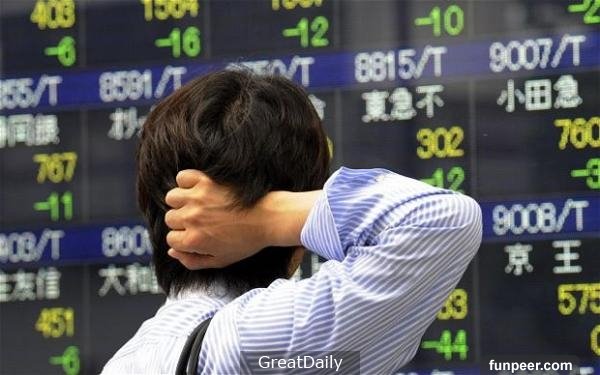
 THERE HAS BEEN MORE bad news recently on Abenomics: inflation targets are not being met, growth remains anemic, business confidence is low and national morale is poor (made worse, no doubt, by recent earthquakes). Abenomics, however, was never likely to be the solution, mainly because the problems it proposed to address are the symptoms rather than the causes of Japan’s malaise.最近安倍經濟學的壞消息越來越多了:目標通脹率沒有達到,增長乏力,商業信心低迷,國民士氣低落(毫無疑問因最近的地震而更加低落)。而安倍經濟學從來不是解決辦法,主要因為安倍經濟學所針對的問題其實是表象而不是日本的經濟痼疾。
 first came to Japan in 1950 and have returned regularly in the ensuing decades. It is difficult for those who were not there to imagine what a dynamic place Japan was during the 1960s. Japanese, at virtually all levels, were outward looking, internationally curious and eager to learn. As a Frenchman I remember how eager ordinary Japanese students were to discuss Camus, Sartre, Proust and Gide, while taxi drivers, upon asking me for my nationality, would melodiously intone the Japanese versions of French songs such as 「Sous les toits de Paris」 and 「Les Feuilles mortes」 until we got to our destination. One such destination was a sushi bar where the chef lectured me on the foreign policy of Charles de Gaulle (and how Japan should learn from him).
 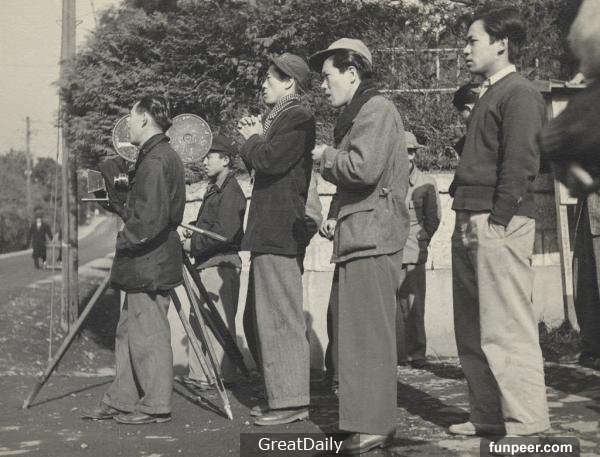 我在1950年第一次去日本,之後幾十年里常常來回那裡。對於沒有去過日本的人來說,很難想像日本在1960年代的時候是個多麼生機勃勃的地方。實際上不管哪個階層的日本人,都很外向、具有國際性的好奇心,渴望學習。作為一個法國人,我記得普通的日本學生是多麼渴望討論加繆, 薩特, 普魯斯特和紀德,而計程車司機,詢問了我的國籍之後,會唱起日語版的法國歌曲比如「巴黎屋檐下」和「秋葉」,直唱到我們到達目的地。我去過一家壽司吧,廚師對我大講戴高樂的外交政策(以及日本應該如何向他學習)。
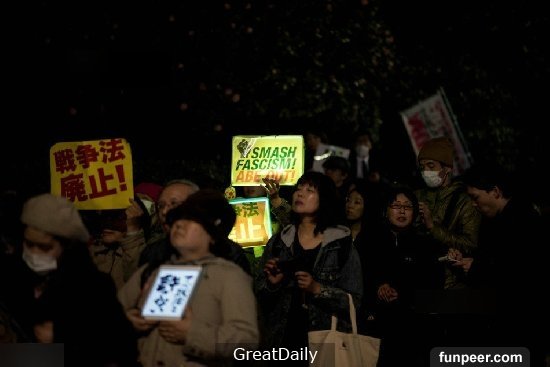 日本東京,民眾遊行抗議新安保法Mass production of consumer electronics: symbol of Japanese economic miracle消費電子商品的大規模製造:日本經濟奇蹟的象徵
 It is true that the sociocultural atmosphere had considerably changed in the 1980s. This was when the 「Japan as No. 1″ syndrome emerged. As the U.S. was economically struggling it was looked upon with scorn, in fact contempt, as was vividly illustrated by the publication of the hubristic book The Japan That Can Say No, coauthored by Sony cofounder and chairman Akio Morita and leading political figure Shintaro Ishihara, who was also known for staunchly denying that the 1937 Nanjing massacre had occurred.
 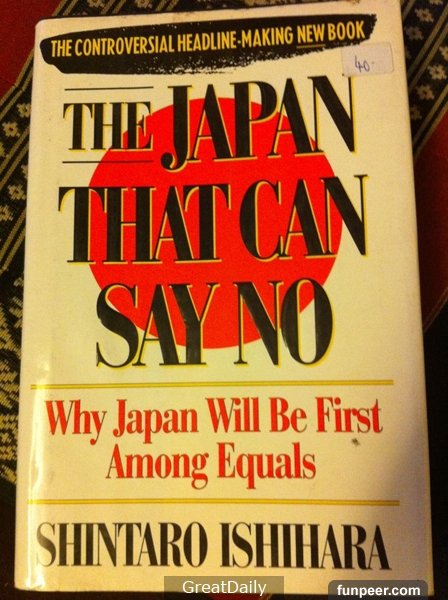 的確,1980年代日本的社會文化氛圍發生了巨大的改變。就是在這個時候,出現了「日本第一」症候群。此時美國的經濟陷入困境,因而被日本詬病,實際上,是被鄙視,這種傲慢心態在《日本可以說不》一書中有生動的描寫,該書的作者是索尼的共同創始人及董事長盛田昭夫和政壇人物石原慎太郎,石原也因矢口否認1937年南京大屠殺而出名。
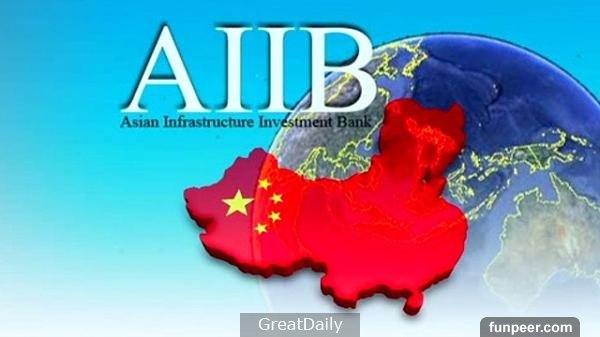
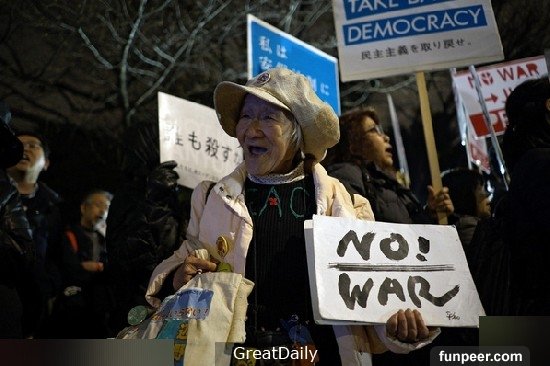 民眾舉著標語牌聚集在國會大廈前示威,抗議安倍政府解禁集體自衛權Height of Hubris: The Japan That Can Say NO傲慢自大:日本可以說不In contrast to the open and dynamic spirit of the Sixties, in the Eighties there was a whiff of nationalistic arrogance, while in the Nineties an autistic introversion took over. In the latter part of the 19th century, Japan was the only non-Western country to have successfully industrialized, modernized and joined the ranks of the great powers. In stark contrast, Japan has failed to adjust to 21st-century globalization. 與60年代的開放活躍的精神相反,80年代則可以嗅到一絲民主主義的傲慢,而到了90年代就是廣泛的封閉內向了。在19世紀的後期,日本是唯一一個成功實現工業化、現代化,並進入強國之列的非西方國家。與此形成鮮明對比的是,日本沒有能夠適應21世紀的全球化。Decades later, it is clear that Japan has failed to adjust to the fact that China is well on its way to becoming one of the leading global powers, second only to the U.S. What we are witnessing today is 「globalization with Chinese characteristics.」 One example: Japan, apart from the U.S. and Canada, is the only country to have refused to be a founder member of the Beijing-initiated Asian Infrastructure Investment Bank. In the face of the China challenge, Japanese policy makers are running around like headless chickens.
  文章未完,點擊這裡閱讀全文! 來源:www.51junshi.com
[圖擷取自網路,如有疑問請私訊]
|
本篇 |
不想錯過? 請追蹤FB專頁! |
 | 喜歡這篇嗎?快分享吧! |



相關文章





華人大聯盟